How to Think Like Beaver
And Why It’s Essential to Building a Sustainable Future
Environmental law has addressed some low-hanging fruit. It gained momentum after massive disasters in the United States: a river in Ohio literally caught on fire and a small town in California suffered from one of the largest oil spills in history. The following environmental legislation in the 1970s put the USA (temporarily) as a global leader in environmental protection. But for all the good intentions of this legislation, domestic and international environmental laws/agreements are still largely focused on the false choice of, “environment or economy.”
Can we have an economy without the environment?
No. The “environment” is literally where everything we have comes from. Ok, maybe there are a few moon rocks in a museum somewhere, but seriously. If there’s no environment, we have nothing. No food, no water, no building materials, no clothes, no laboratories or tech facilities to try to get us out of our ecological collapse.
Earth Law is an umbrella term for eco-centric law: law that recognises humans are a species living in relation to our ecosystem and all the life within it. With this perspective, we can see ourselves as part of Nature, part of the landscape, and consider how to live as a positive force of Nature. When considering the needs of the human community, we seek to meet them by centring what the ecosystem offers—I call this ecocentric equity, a principle that can guide law, business, or communities in their quest to build a regenerative future.
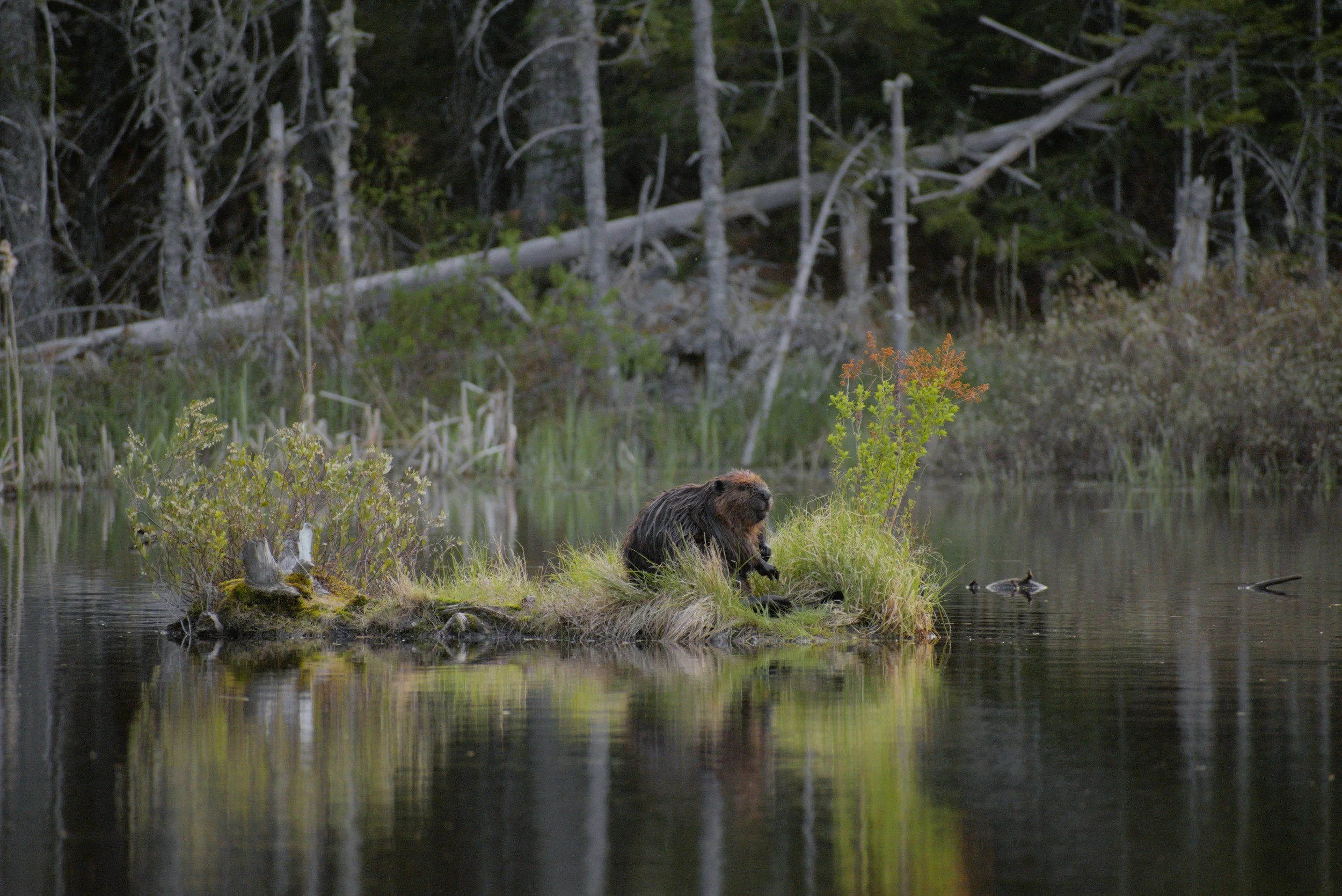
We can look to beavers for a tangible example. Beavers are a keystone species. They have a huge impact on their environment—in fact, they are second only to humans in their capacity to alter a landscape. Yet, their alterations are beneficial: beaver dams create riparian habitat which increases biodiversity; they help soil retain water (reducing wildfires); and the very act of felling trees to build their dams increases light on the forest floor, which supports saplings and other flora. There are many more benefits to beaver dams, but I think you get the idea. Beavers have a mutually beneficial relationship with their habitat; in fact, they give much more than they take.
So if beavers can be great for the environment, why can’t we?
This is one critical mindset shift that can transform our sustainability efforts from just checking boxes for compliance to building a beautiful future we all can love. Beavers show us that having a big impact on the environment is not inherently bad—we can be a positive force. Instead of thinking in terms of ‘doing less harm,’ we can start thinking about ‘doing the most good.’
Ok, great theory, but how does this work in practice?
By considering all our relationships to the ecosystem and to the human community. This is why I developed the Questions of Care. It’s six simple questions designed to help us reflect on the full context of how our business or project could have an impact. By exploring the natural and social history of a place, we can see past harms and work toward healing those harms. For example, a clothing company could source raw materials from regenerative farmers whose sheep restore soil and provide wool. Or a retreat space could be made solely of eco-structures, hire only locals, and buy food from local farms. The purpose is to explore how to restore the habitats in which we operate and live, while simultaneously restoring/supporting the quality of life of local communities (typically via their own values and cultural heritage, so once again, everything is place-based).
If this resonates with you, the Questions of Care Methodology Guide is available as a standalone tool and included in my professional development session Leadership for the Ecological Era. The next session takes place 21 October 2026; if that date has passed, check my Luma for the next session.
Also, here’s some fun news about beavers:
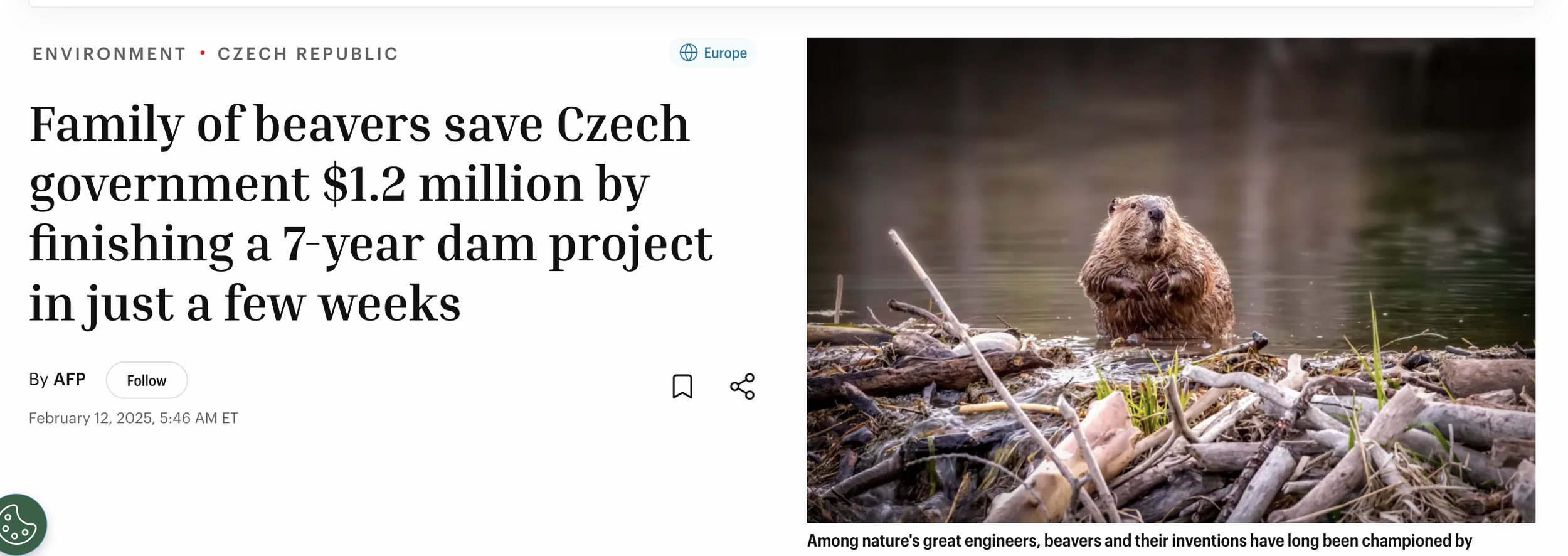
Enjoy this YouTube video about this amazing news: Eight Beavers Finished a $1.2 million Dam in Days