
What Portugal Taught Me about Tourism
And how it inspired me to help transform an industry.
In a crowded marina on a sunny day, a local Portuguese woman and I held back tears as we bonded over the grief of watching our homes change. She told me about the loud party boats full of drunk tourists that now frequent what the locals used to call “secret beach.” It’s only accessible from the ocean, and only when the arch of the cave is revealed by low tide. She used to swim and kayak there, listening to the birds and echo of the waves. But now, she hesitates to return. Twice she has been hit by party boats—once in her kayak and again while swimming—both times the captain of the boat yelled, telling her to leave! He nudged her repeatedly with the boat.
But her anger and sadness were less about her own loss, and more about her fear for the place itself. If these tourism operators were so rude to her, why would they respect the environment? Are they dumping waste into the water? Are they revving engines to stress the dolphins, forcing them to jump for the tourists’ cameras? Do they ensure no trash falls from the boat into the sea? How many animals are frightened away from their nests or their food when boats come by blasting club music? And what do the intense vibrations from the heavy bass do to the cave walls?
I shared my experience growing up in California; it was a cycle of moving to find somewhere more affordable after being priced out by overtourism. So many towns, forests, and beaches that I used to frequent are unrecognisable to me now. They are unbearable in Summer—crowds, traffic, reservations required, trash everywhere, and outrageous prices for everything. You literally can’t go home because there’s no room for you.
Chatting with her, it struck me that I was in a unique position to do something about the harms of overtourism. Not only do I understand the personal pains of it, but helping businesses transform themselves into regenerative models is what I do!
But first, research. There’s more to overtourism than just my personal experience; it’s a global phenomenon.
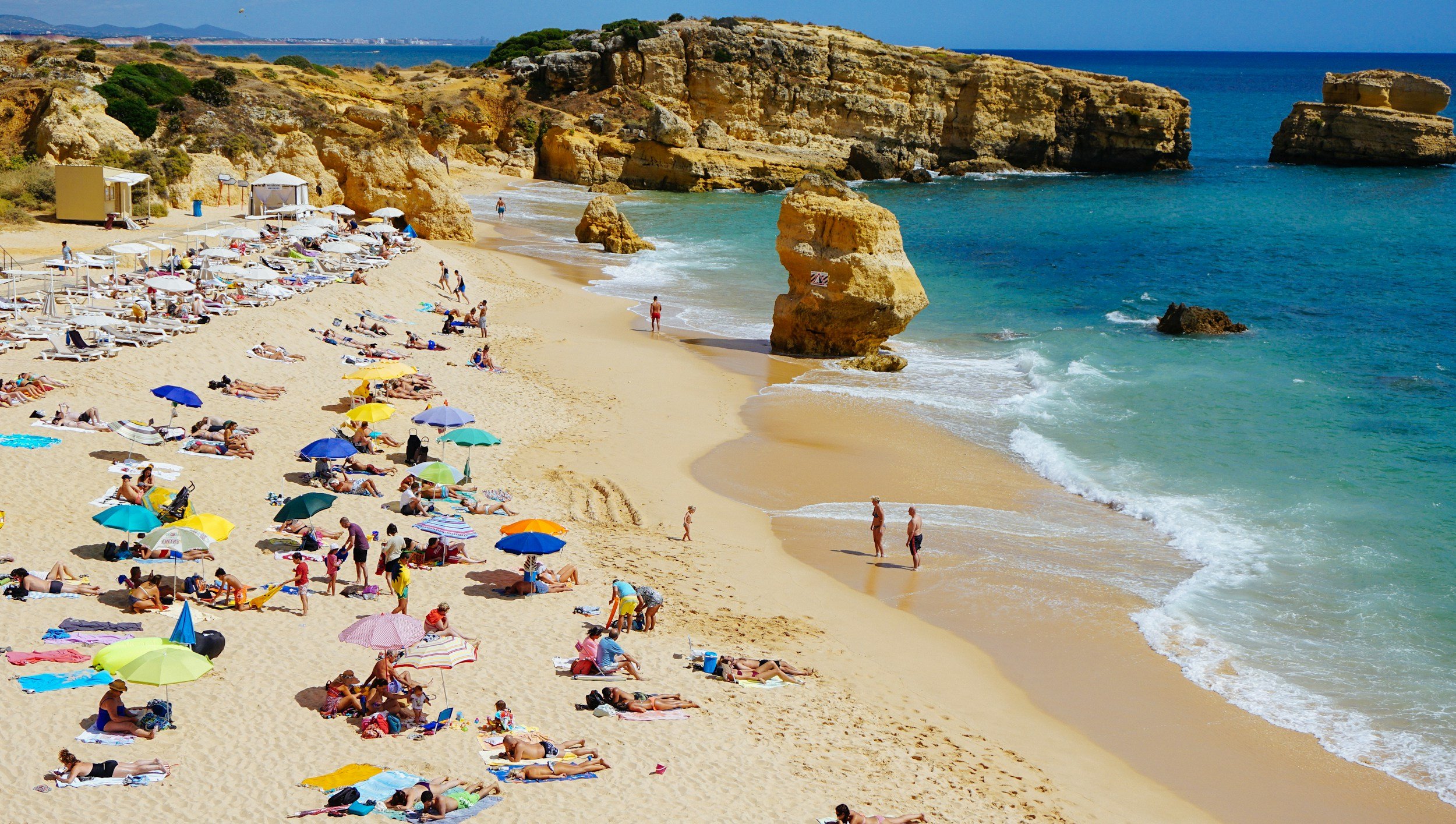
A beach in Portugal - it’s not even crowded by peak summer standards.
I did a deep dive into over-tourism harms, from Amsterdam to Cambodia, from inequitable water usage to deforestation, from cultural appropriation to the trespassing of sacred sites; and the history that shaped the tourism industry to how social media exacerbated existing problems.
And while there are many approaches to reducing over-tourism, they often do not address the core issues. Yes, limiting the number of cruise ships in one day can ease strains on infrastructure, and creating tourism-specific taxes can put money back into the city itself (as opposed to it going to a large corporation far away), and working on tourism “flow” through high-traffic areas is needed… but these measures are focused on harm reduction instead of transforming tourism into something truly regenerative.
I developed The Place Audit, a diagnostic tool that supports transformation in four parts:
economic flows,
ecological load,
cultural integrity, and
community self-determination.
The Place Audit is designed to help tourism operators and community members identify the tensions, struggles, and wounds that exist between them, and to begin the kind of honest, compassionate dialogue that makes healing possible. It is grounded in a place-based approach: the understanding that everything we do happens within a specific ecological and cultural context, and that the solutions most likely to work are rooted in that specific place, with the specific people who call it home.
The Place Audit begins with quiet reflection from individuals, then as small groups, before tourism operators and community members come together to dialogue. Reflection is always the first step of my practice for many reasons. We rarely have the time for it so we must make the time; and it’s always worth it because it always reveals something important. In situations where tensions already exist, it’s a critical step in approaching solutions with a spirit of collaboration, trust-building, compassion, and a readiness to consider different perspectives. To that end, the tool also includes facilitation notes for meetings, making this a stand-alone tool or one that can be paired with coaching for those who would like more personalised guidance.
My personal mission was to create something that enables tourism operators and community members to work together to build a future where we all flourish.
This work requires an open mind, accountability, and the courage to lead change. Are you up for the challenge?
If you are in an area struggling with overtourism, I invite you to join my professional development session, Leading Regenerative Tourism, on Wednesday, 30 September 1500 UK time. Learn more here.